

What Art Colleges Really Want To See In Your Art Portfolio
What Art Colleges Really Want To See in an Art Portfolio

If your child is planning to apply to art school, one of the biggest questions is usually:
What are art colleges actually looking for in a portfolio?
Is it technical skill?
Beautiful finished artwork?
A particular style?
Perfect drawings?
The answer is more complicated — and much more encouraging — than most students realize.
After decades of teaching art and helping students develop portfolios for college admission, I’ve seen students put enormous amounts of time into making artwork without really understanding what their portfolio needs to communicate.
Because a strong art portfolio isn't simply a collection of your best-looking artwork.
It should show colleges how you think as an artist.
Your Portfolio Is More Than a Collection of Finished Artwork

One of the biggest mistakes students make is approaching their portfolio like a highlight reel.
They gather their most polished drawings, paintings, digital pieces, and class assignments and hope that together they make an impressive portfolio.
But admissions reviewers are looking beyond polish.
They want evidence of:
curiosity
observation
experimentation
creative problem-solving
risk-taking
idea development
personal interests
artistic growth
In other words, they don't only want to see what you can make.
They want to understand how you got there.
Technical Skill Still Matters — But It Isn't Everything
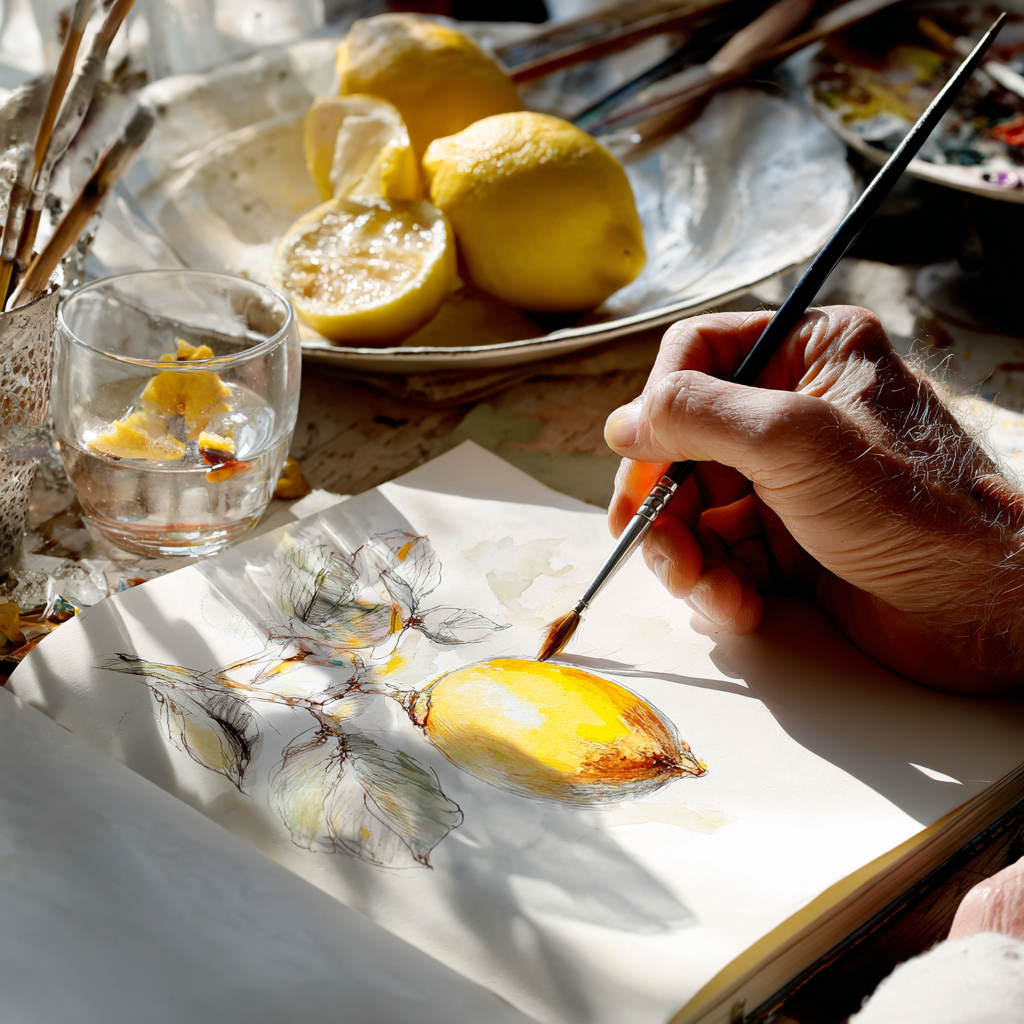
Strong observational drawing skills can absolutely strengthen an art portfolio. And ALL schools want to see that the student can draw from observation no matter what major they are interested in.
Drawing from life teaches students to see proportion, value, space, form, relationships, and detail. Those skills create an important foundation for almost every area of art and design.
But technical skill alone doesn't necessarily make a memorable portfolio.
A beautifully rendered drawing may demonstrate skill.
A series of works that begins with observation, explores an idea, experiments with materials, changes direction, and ultimately develops into something personal demonstrates something much bigger:
artistic thinking.
And that is where portfolios become interesting.
Colleges Want to See Your Ideas Develop
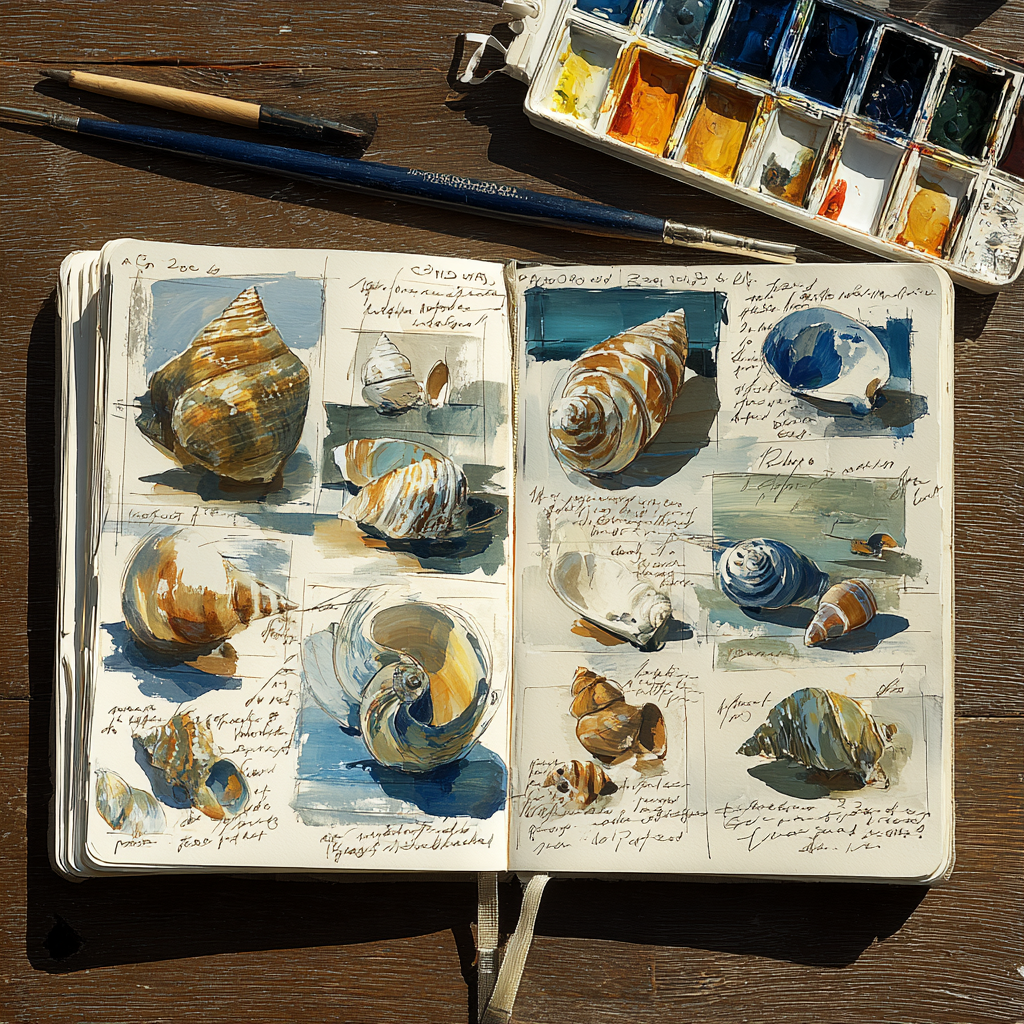
Students sometimes believe that talented artists simply have a great idea and then execute it perfectly.
Real creative work rarely happens that way.
Artists investigate.
They sketch. Research. Photograph. Collect. Experiment. Make mistakes. Change materials. Try different compositions. Abandon ideas. Discover better ones.
One idea leads to another.
That process is incredibly valuable because it shows that a student isn't simply completing assignments — they are beginning to work like an artist.
Your sketchbook, studies, experiments, source material, and works in progress all become part of that story.
Your Portfolio Should Feel Like YOU
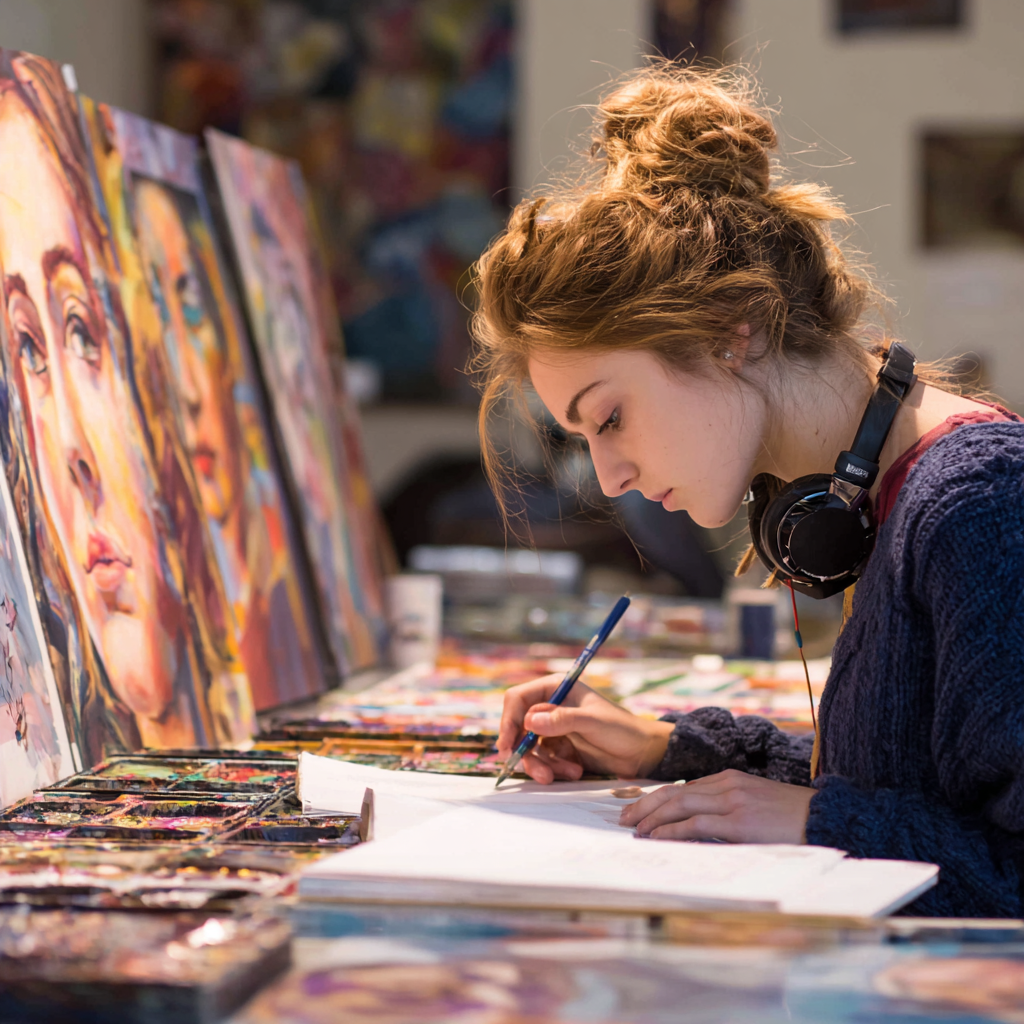
Admissions reviewers look at a lot of portfolios.
The portfolios that become memorable aren't necessarily the ones containing the most technically perfect artwork.
They're often the ones where you begin to sense the person behind the work.
What are you curious about?
What do you notice that other people might overlook?
What subjects keep appearing in your work?
What questions are you asking?
What experiences, places, objects, memories, or ideas matter to you?
You don't need to manufacture a dramatic "portfolio theme" to make your work meaningful.
You need to become more curious about the things you genuinely care about.
That's where stronger portfolio ideas begin.
Stop Asking, "What Should I Make for My Portfolio?"
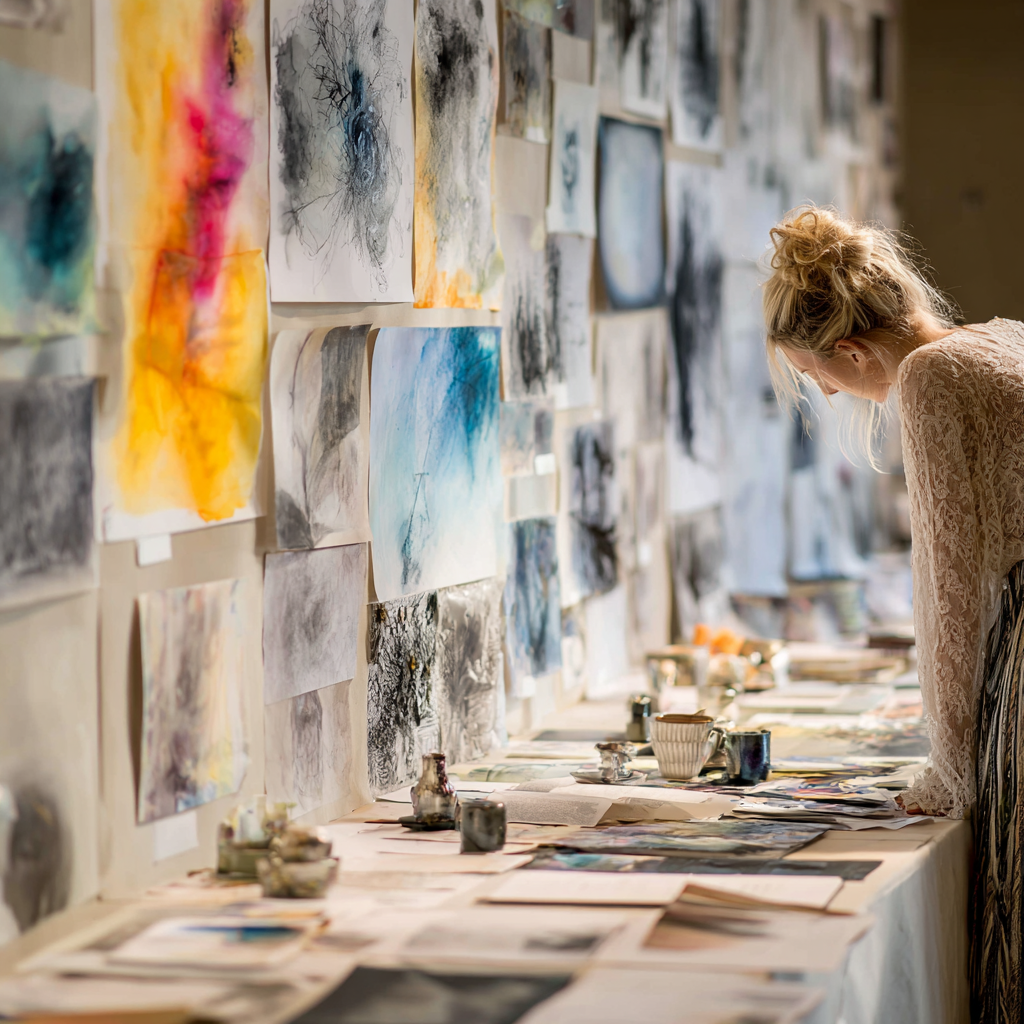
Try asking a different question:
What could I investigate?
That small shift changes everything.
Instead of trying to guess what an admissions committee wants you to make, you begin developing ideas that can grow and evolve.
A place that matters to you could become an investigation of memory.
An ordinary household object could lead to an exploration of transformation.
A collection could reveal something about identity.
Photographs of your environment could lead to questions about change, community, nature, or time.
Suddenly, you're no longer trying to fill portfolio slots.
You're building a body of work.
My ART PORTFOLIO PREP course guides students through repeatable step by step process based on a series of art Investigations to create a high quality art portfolio of thoughtful artworks.

Want to Know What Art Colleges Really Want?
I created a free video training called What Art Colleges Really Want to help students and parents understand what makes an art portfolio stand out — and what students should be focusing on as they begin preparing for college admissions.
In the training, I explain what admissions reviewers are really looking for, some of the mistakes students commonly make, and how students can begin building a portfolio that demonstrates much more than technical ability.
WATCH THE FREE TRAINING: WHAT ART COLLEGES REALLY WANT
If you're serious about art school, don't wait until application season to start thinking about your portfolio.
The strongest portfolios aren't assembled at the last minute.
They're developed through observation, experimentation, curiosity, and time.


